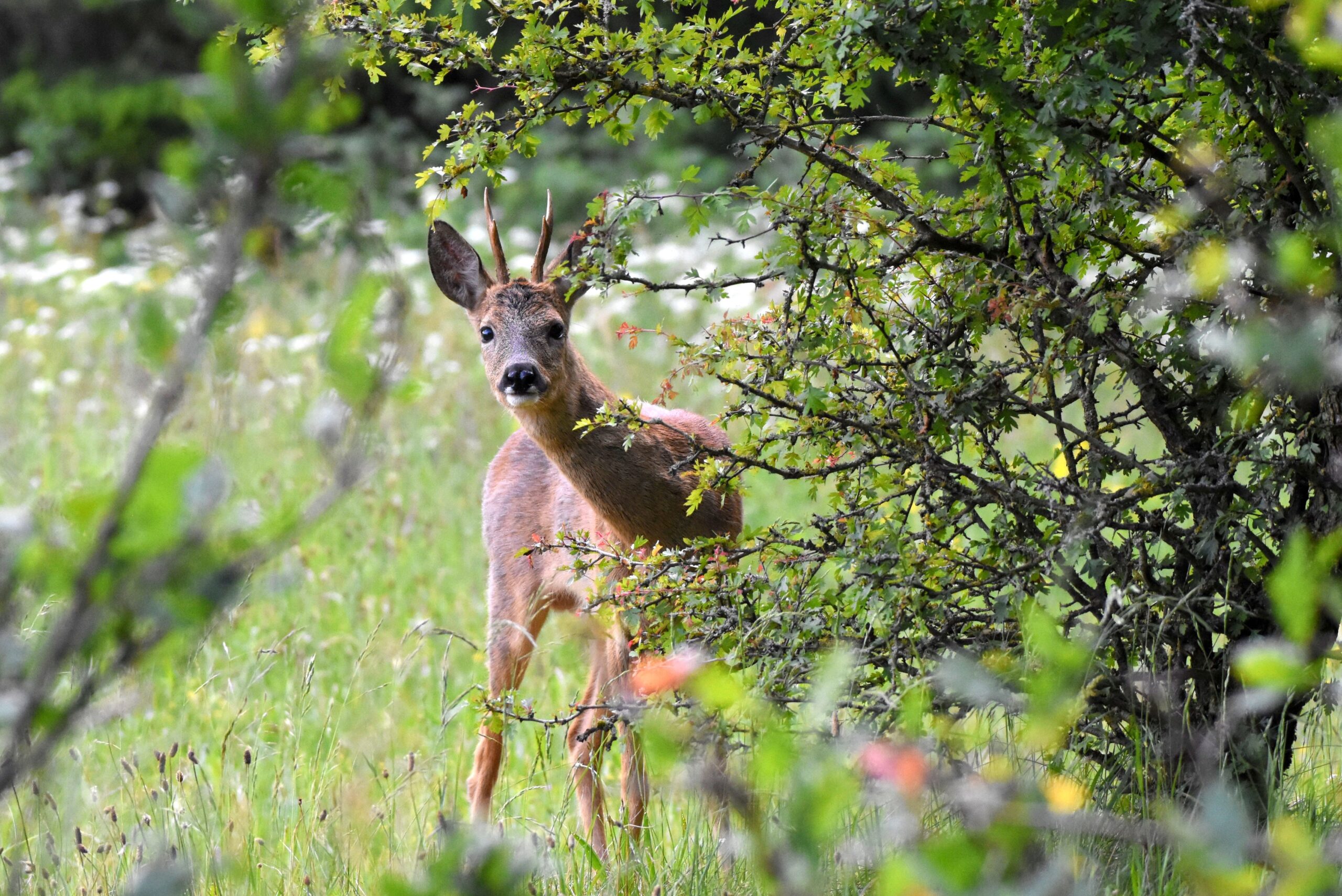
Creating a garden that looks full, colorful, and healthy while also standing up to deer is absolutely possible. Deer-resistant plants and flowers are not “deer-proof,” but they are usually far less tempting because of strong fragrance, fuzzy leaves, tough textures, or bitter taste.
If deer are a regular problem in your yard, the best strategy is to choose plants that deer tend to ignore and combine them with smart garden design. That means mixing perennials, annuals, herbs, shrubs, and bulbs that naturally discourage browsing while still giving you plenty of color and variety.
Check This Blog Out>>Lawn and Garden Care
What Makes a Plant Deer Resistant
Deer usually prefer soft, tender, lightly scented plants, especially when food is scarce. Plants with strong aromas, hairy or leathery leaves, toxic compounds, or prickly textures are often left alone longer than more tender ornamentals.
This does not mean deer will never touch them. Hungry deer may still sample almost anything, especially newly planted flowers or gardens near heavy deer traffic. Still, choosing resistant varieties can dramatically reduce damage and make maintenance much easier.
Best Deer Resistant Flowers
Some of the most dependable deer-resistant flowers include yarrow, allium, anise hyssop, bee balm, catmint, Russian sage, salvia, peony, and verbena. These plants are popular because they offer strong color, long bloom times, and pollinator appeal while being less attractive to deer.
Yarrow brings bright summer color and has fragrant foliage that deer dislike. Alliums offer bold globe-shaped blooms, while catmint and Russian sage add soft lavender-blue tones and a nice drought-tolerant habit. Peonies are another favorite because they are long-lived, fragrant, and generally left alone by deer.
Deer Resistant Plants for Shade
Shade gardens can be harder to protect, but there are still good options. Fern-leaved bleeding heart, fringed bleeding heart, lungwort, and some shade-tolerant shrubs like lily of the valley shrub are often mentioned as deer-resistant choices.
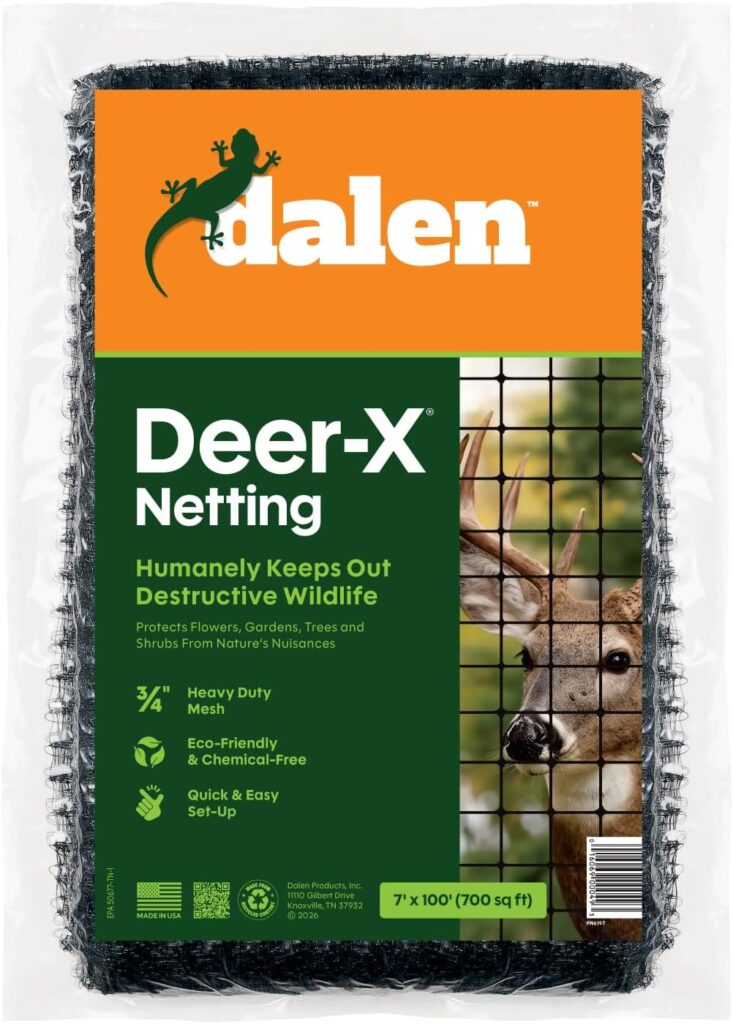
Dalen Deer-X Protective Netting for Gardens & Landscapes
These plants are especially useful if deer tend to move through wooded areas or shady borders. Lungwort is a strong example because its silver-speckled foliage and early spring blooms bring interest to low-light spaces without demanding much care. Bleeding heart types also add delicate, elegant flowers that work well in woodland-style landscapes.
Shrubs and Border Plants
Deer-resistant gardening is not just about flowers. Shrubs like lilac and some pieris selections can help form a protective structure around more vulnerable plants. Their fragrance and woody stems make them less appealing than soft leafy bedding plants.
Border plants such as lamb’s ear, ornamental onion, and euphorbia are also useful in mixed plantings. Lamb’s ear is especially helpful because its velvety leaves are unpleasant to deer, yet the plant still gives a soft, silvery look that complements brighter blooms. These plants can help create a layered garden that feels full and intentional rather than purely defensive.
Smart Planting Tips
The best deer-resistant garden is built with a few layers of protection. Place the most vulnerable flowers closer to the house or in enclosed beds, and use deer-resistant plants around the edges to create a less tempting perimeter. Grouping resistant plants together can also make your garden less inviting overall.
It helps to avoid planting only one type of flower if deer pressure is high. A mixed bed with fragrant herbs, textured foliage, and sturdy perennials is usually more resilient than a border of tender, high-sugar plants. Newly planted flowers should be watched closely because deer often test fresh growth first.
Easy Garden Combos
For a sunny border, combine salvia, catmint, yarrow, allium, and peonies for a long season of color. This mix gives you purples, pinks, whites, and blues with different bloom times and textures.
For partial shade, try lungwort, bleeding heart, and lamb’s ear near a deer-resistant shrub like lilac or pieris. In containers, deer-resistant annuals such as marigolds and some verbenas can work well because they are easy to move and refresh through the season.
Check This Blog Out>>Garden Room Glow-Up
Final Thoughts
Deer-resistant plants and flowers give you a practical way to enjoy a lush garden without constant frustration. The key is to think in terms of layers: choose plants with strong scent, rough texture, or natural resistance, then combine them with good placement and regular observation.
A beautiful garden does not have to be a deer buffet. With the right mix of yarrow, allium, salvia, catmint, peonies, bleeding heart, and other resistant favorites, you can build a landscape that looks polished, blooms generously, and stands a much better chance against browsing wildlife.
Jamie L. Taylor
Soft Life Luxury