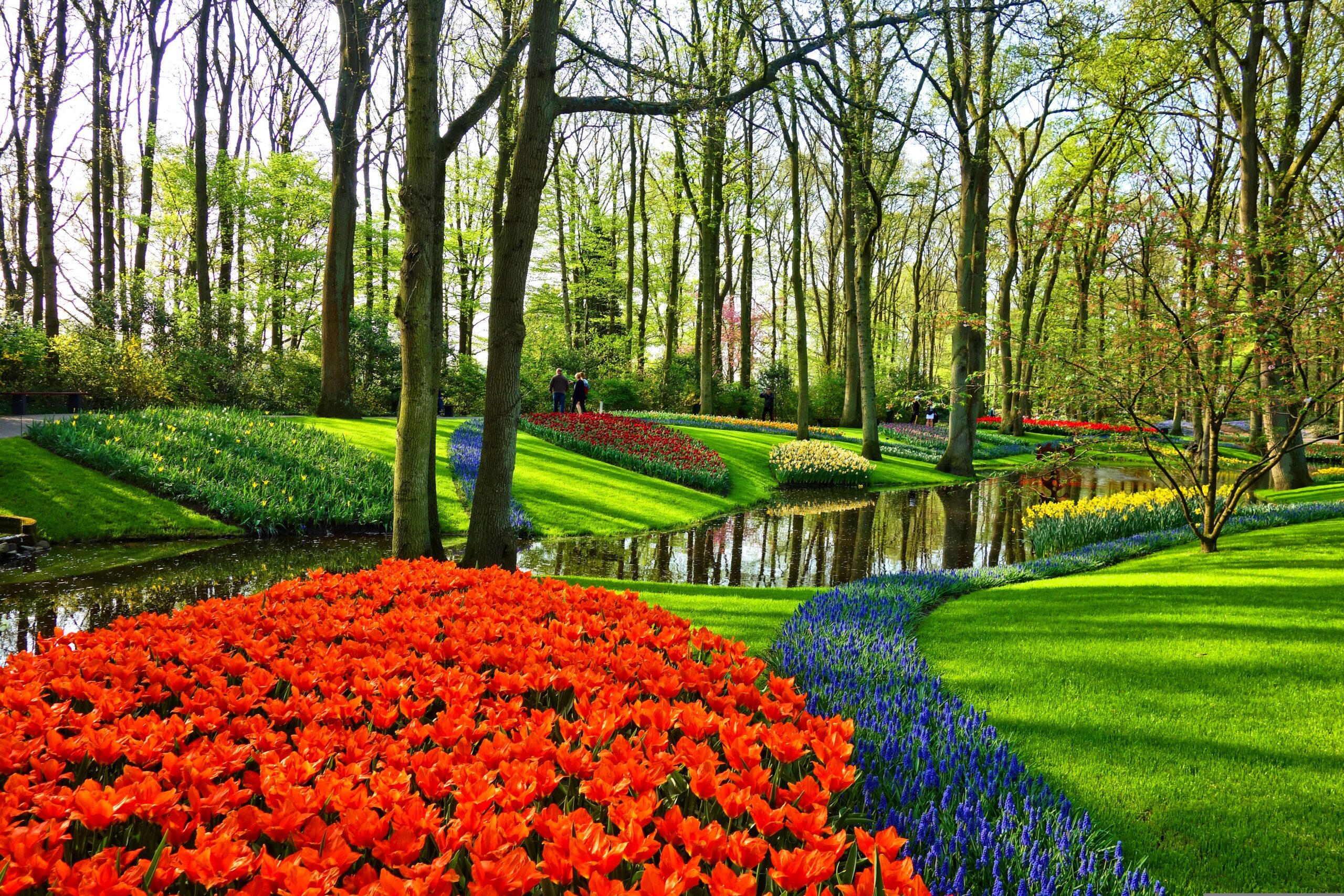
A well-maintained lawn and garden can completely transform the look and feel of your home. Beyond curb appeal, your outdoor space becomes a place for relaxation, entertaining, and even boosting property value. Whether you’re a beginner or someone looking to refine your green thumb, understanding the basics of lawn and garden care is essential for long-term success.
Understanding the Difference Between Lawn and Garden
Although often used together, lawns and gardens serve different purposes. A lawn typically refers to an area covered with grass that is regularly mowed and maintained. It provides a clean, open space ideal for activities, pets, and visual appeal. A garden, on the other hand, is a more diverse area filled with plants, flowers, shrubs, vegetables, or herbs. Gardens are often designed for beauty, food production, or both.
When combined effectively, lawns and gardens create a balanced landscape that is both functional and visually appealing.
Check Out this Blog>>Best Houseplants to Transform Your Home Into a Lush Indoor Oasis
Essential Lawn Care Tips
Maintaining a healthy lawn requires consistency and attention to detail. Grass needs proper nutrients, water, and care to stay lush and green.
Start with mowing. Regular mowing encourages thicker grass growth and prevents weeds from taking over. Avoid cutting the grass too short, as this can stress the roots and make your lawn more vulnerable to pests and disease.
Watering is another key factor. Lawns typically need about one inch of water per week, either from rainfall or irrigation. Early morning watering is ideal because it reduces evaporation and allows the grass to absorb moisture effectively.
Fertilization helps supply essential nutrients. Using a high-quality fertilizer during the growing season promotes strong root development and vibrant color. It’s important to choose the right type based on your grass species and soil condition.
Aeration is often overlooked but highly beneficial. By creating small holes in the soil, aeration improves air, water, and nutrient flow to the roots. This leads to healthier, more resilient grass over time.
Creating a Thriving Garden
Gardens offer endless opportunities for creativity and personalization. Whether you prefer colorful flower beds or a productive vegetable garden, planning is key.
Start by selecting the right plants for your climate and soil type. Native plants are often a great choice because they require less maintenance and are naturally adapted to local conditions. In regions like Atlanta, Georgia, heat-tolerant plants such as lavender, coneflowers, and zinnias thrive well.
Soil quality plays a major role in garden success. Enriching your soil with compost or organic matter improves drainage and provides essential nutrients. Healthy soil leads to stronger plants and better yields.
Sunlight is another critical factor. Most plants require at least six hours of sunlight per day, but some thrive in partial shade. Understanding your garden’s light conditions will help you choose the right plants and placement.
Regular maintenance, including pruning, weeding, and mulching, keeps your garden looking its best. Mulch not only enhances appearance but also helps retain moisture and suppress weeds.
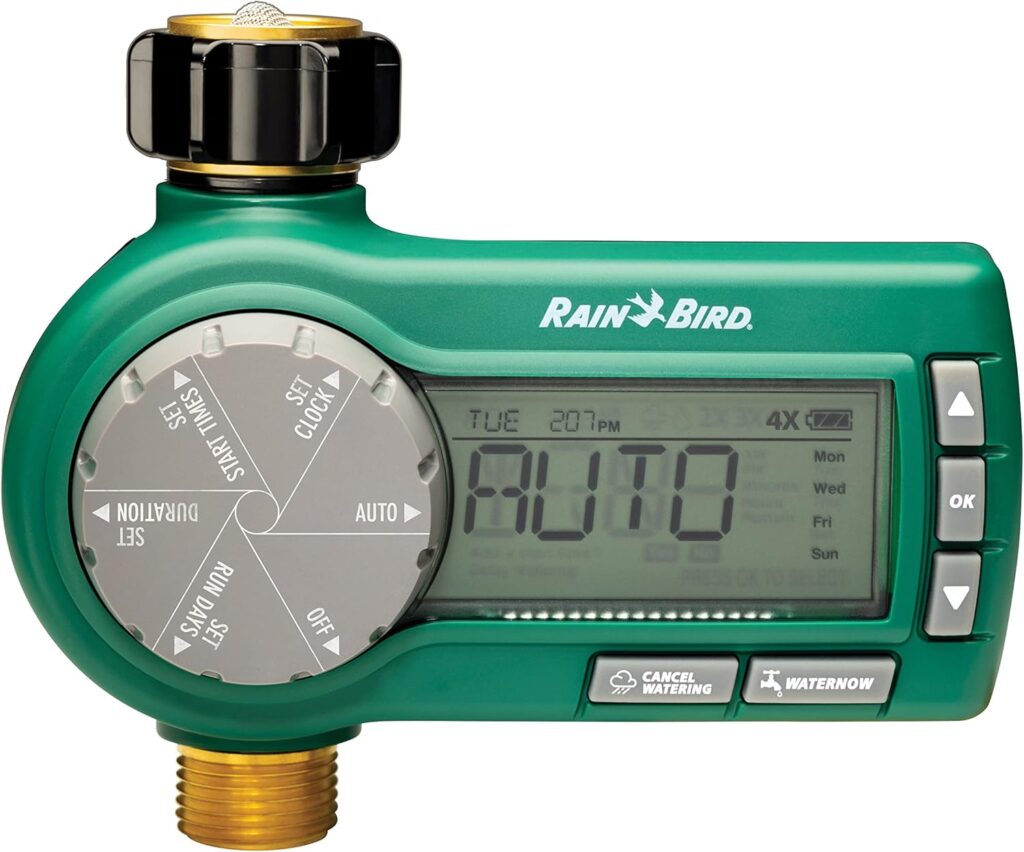
Check This Out>>Rain Bird
Sustainable Lawn and Garden Practices
Modern lawn and garden care is increasingly focused on sustainability. Eco-friendly practices not only benefit the environment but also reduce long-term maintenance costs.
Consider using organic fertilizers and natural pest control methods instead of chemical-heavy products. Composting kitchen and yard waste is another excellent way to enrich your soil while reducing waste.
Installing a rain barrel can help conserve water, especially during hot summer months. Drip irrigation systems are also efficient, delivering water directly to plant roots with minimal waste.
Planting pollinator-friendly flowers like bees and butterflies can enhance biodiversity and support local ecosystems. These small changes can make a big impact on your outdoor space.
Designing an Attractive Outdoor Space
A well-designed lawn and garden go beyond basic maintenance. Thoughtful landscaping adds structure, depth, and personality to your yard.
Consider incorporating pathways, decorative stones, or garden borders to create visual interest. Mixing different plant heights, colors, and textures can make your garden more dynamic and inviting.
Outdoor lighting can also enhance your space, making it usable and beautiful even in the evening. Simple additions like solar lights or string lights can create a warm and welcoming atmosphere.
If space allows, adding seating areas or a small patio can turn your yard into a true extension of your home. This creates a perfect spot for relaxing or entertaining guests.
Check Out this Blog>>Home Depot’s Garden Center
Final Thoughts
Lawn and garden care is both an art and a science. With the right knowledge and consistent effort, anyone can create a stunning outdoor space that reflects their personal style. By focusing on proper maintenance, thoughtful plant selection, and sustainable practices, you can enjoy a healthy, vibrant lawn and garden all year round.
Jamie L. Taylor
Soft Life Luxury