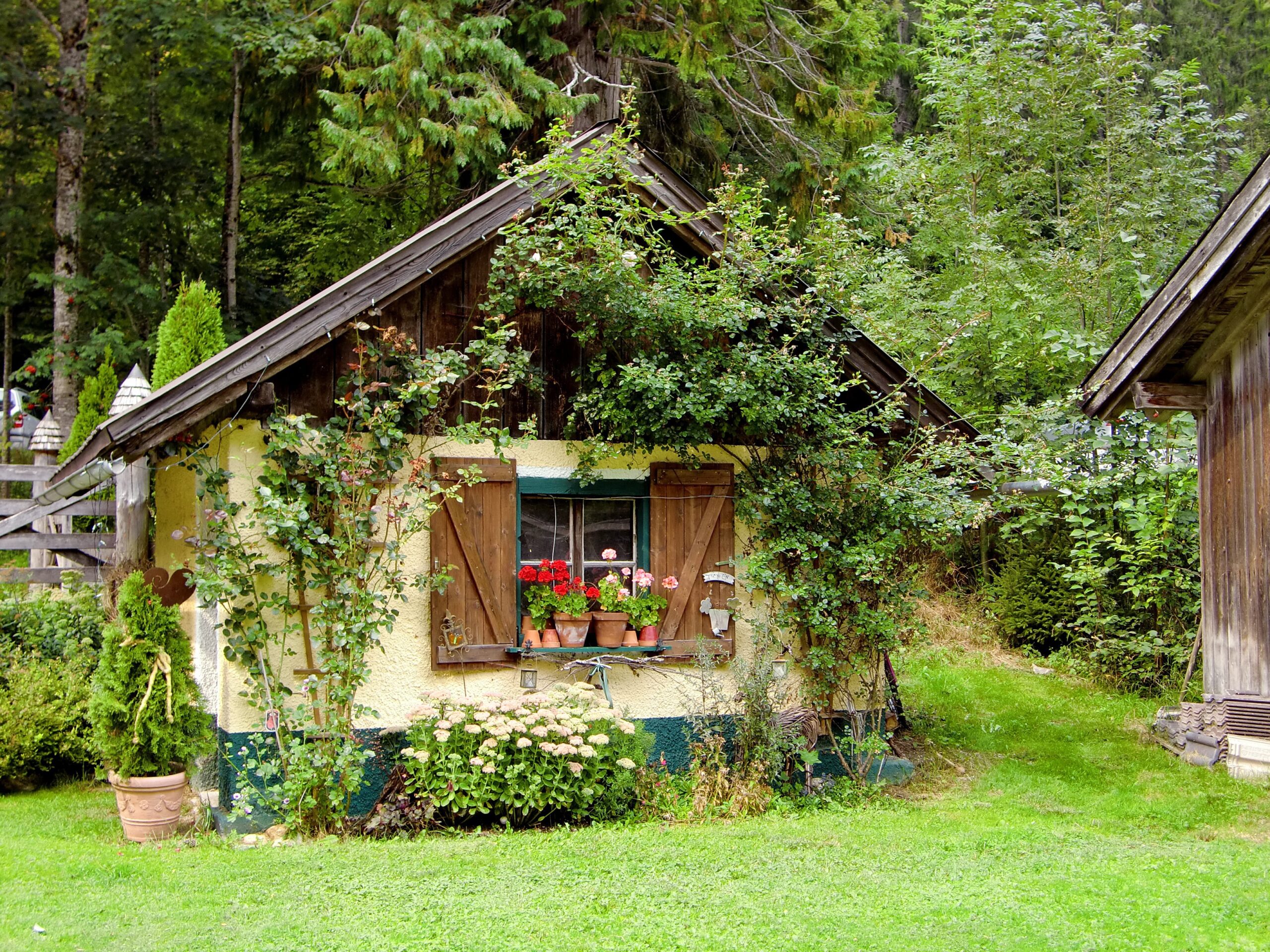
A garden shed can do much more than hold tools. The right shed adds storage, protects equipment, creates a tidy work zone, and can even improve the look and function of a backyard or farm space.
Why a garden shed matters
Garden sheds are useful because gardening and yard care quickly generate a lot of gear, from shovels and rakes to pruners, fertilizer, pots, hoses, and lawn equipment. A shed also gives you a dedicated place for organizing supplies instead of crowding a garage or porch. On larger properties, a shed can support farm tasks, seed starting, potting, tool repair, and seasonal storage.
Check This Blog Out>>Lawn and Garden Care
What to look for
The best garden shed starts with the right material. Wood is attractive and easy to customize, metal is durable and good for security, and composite or plastic is often lower-maintenance and budget-friendly. You should also check the roof style, ventilation, door width, window placement, and floor strength, because these features affect comfort, access, and how well the shed handles weather.
Size matters just as much as material. Small yards may only need a compact storage shed, while medium and large yards can support a bigger structure that doubles as a potting area, hobby room, or workshop. It is smart to think about future needs too, because tools and equipment tend to multiply over time.
Best uses
Garden sheds are for anyone who needs outdoor storage or a more organized work area. Home gardeners use them for hand tools, seeds, soil, and pots, while homeowners often store mowers, trimmers, and seasonal decor there. On farms, sheds can hold smaller implements, feed, buckets, maintenance items, and supplies that need quick access without cluttering larger barns or garages.
A shed can also be a functional workspace. Many people use them for potting, starting seedlings, dividing plants, or doing small repairs. If you want the space to feel comfortable for longer projects, look for enough headroom, natural light, airflow, and a sturdy work surface.
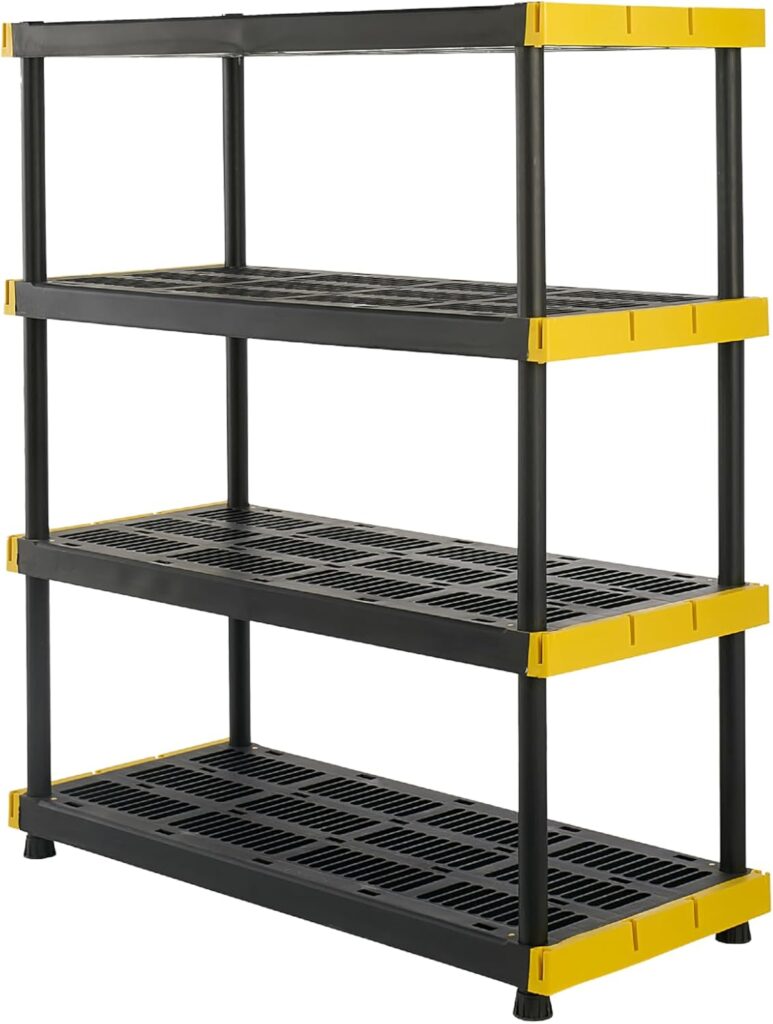
Check This Out>> CX Black & Yellow, 4-Tier Heavy Duty Plastic Storage Shelves
Where to place it
Placement affects both convenience and longevity. A shed should sit on level, stable ground with a proper base so it does not settle, shift, or collect water. Good drainage is important, especially if the shed will be used behind a house or in an open farm setting where rain and runoff can be an issue.
Behind a house, placing the shed near the garden or driveway often makes daily use easier because tools stay close to where you work. On a farm, it often makes sense to place the shed near the areas where supplies are used most, but not in a low spot where mud or standing water could cause problems. Keep in mind that sheds placed at the far edge of a property may be less convenient, even if they are visually discreet.
What to put inside
What you store should match the shed’s size and purpose. Common items include hand tools, shovels, rakes, hoses, gloves, watering cans, pots, seed trays, fertilizers, soil, and small power tools. If you garden seriously, add shelves, hooks, pegboards, and bins so everything has a place and stays easy to find.
If the shed will double as a work area, include a potting bench, a small table, and space for frequently used supplies. For farm use, you may also want to store maintenance items, spare parts, and seasonal equipment in clearly labeled containers. The goal is to keep the interior organized so the shed saves time instead of creating another storage headache.
Build or buy
Buying a shed is usually the easiest choice if you want faster setup, predictable sizing, and a simpler installation process. Prefabricated sheds come in many styles and materials, and they are a strong option when you want convenience and a more controlled budget. They are especially practical if you do not want to handle framing, roofing, and finishing work yourself.
Building your own shed can be a better choice if you want a custom size, unique layout, or a design that matches your home or farm buildings. A custom build also lets you tailor shelving, door placement, windows, insulation, and materials to your exact needs. The tradeoff is time, skill, and the need for a proper foundation and weather-resistant construction.
Must-know tips
A shed lasts longer when it is built on a strong base and made from quality materials. Ventilation is important because it helps reduce moisture buildup and protects tools and supplies. If you are storing valuable equipment, choose secure doors and durable locks, and consider how much sun, wind, and rain the shed will face in its location.
Check This Blog Out>>Garden Room Glow-Up
Think about long-term maintenance before you buy or build. Wood may need painting or sealing, metal may need rust protection, and plastic may need sun resistance depending on climate and exposure. A little planning up front makes the shed safer, more useful, and easier to live with for years.
Jamie L. Taylor
Soft Life Luxury