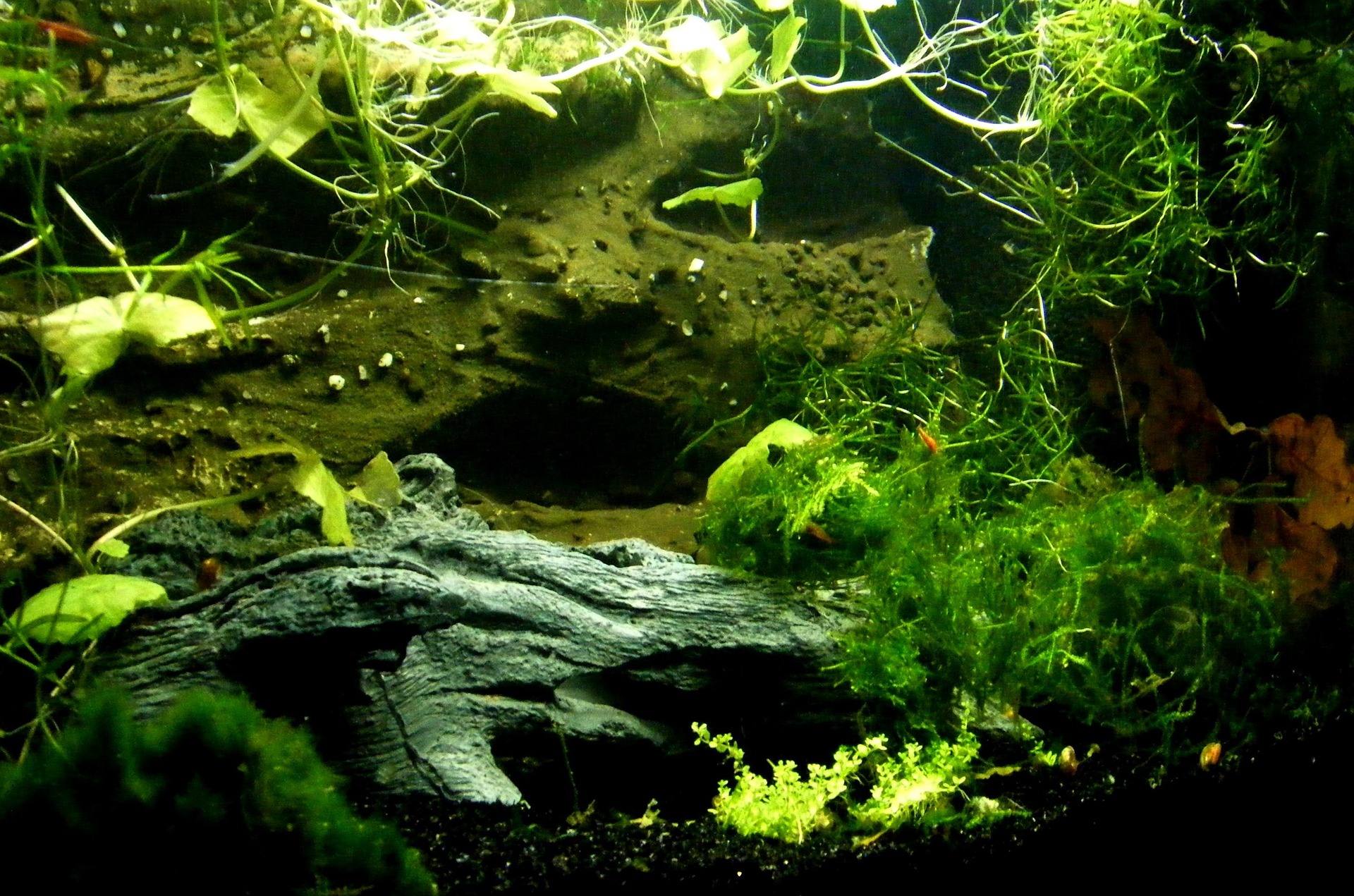
Aquarium plants do much more than decorate a tank. They help create a healthier environment, give fish and shrimp places to hide, support natural behavior, and make your aquarium look like a living underwater landscape. Whether you are building a beginner-friendly setup or a lush aquascape, the right plant choices can make the whole tank easier to maintain and far more beautiful.
Choosing aquarium plants starts with understanding how they grow. Some attach to rocks or driftwood, some root into substrate, some float on the surface, and others spread into carpets across the bottom. Once you know the plant type, it becomes much easier to match plants to your tank size, lighting, and maintenance level.
Why Aquarium Plants Matter
Live plants help absorb nutrients in the water, which can support a cleaner-looking tank and reduce waste buildup when paired with good filtration and regular care. They also provide shelter for shy fish, fry, and shrimp, helping them feel safer and more active.
Another benefit is visual balance. Tall background plants can hide equipment, midground plants add depth, and low foreground plants create a natural finished look. In short, aquarium plants are both functional and decorative.
Check This Out>>Texas Aquarium Plant Bundle
Easy Plants for Beginners
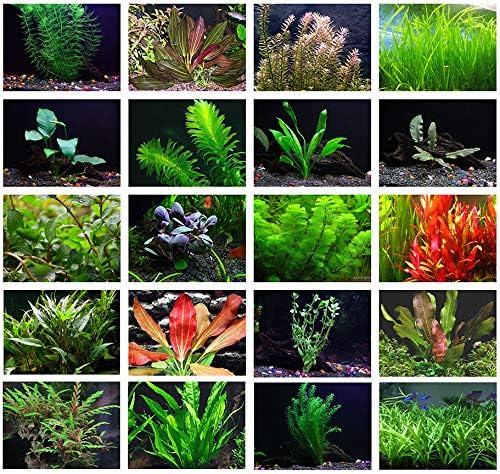
If you are new to planted tanks, start with hardy, low-maintenance options. These plants are popular because they tolerate a wide range of conditions and do not usually demand CO2 injection or intense lighting.
- Anubias: A tough rhizome plant with thick leaves, Anubias is one of the easiest aquarium plants to keep. It grows slowly, does well in low light, and should be attached to wood or rock rather than buried in the substrate.
- Java fern: Another rhizome plant, Java fern is durable, beginner-friendly, and ideal for attaching to hardscape. Its textured leaves add a classic planted look without much fuss.
- Cryptocoryne wendtii: Often called crypt wendtii, this rosette plant grows well in many light levels and substrates. It is a strong choice for midground planting and can appear in green, brown, red, or mixed forms.
- Amazon sword: A popular rosette plant for larger tanks, the Amazon sword can grow tall and full, making it a great background centerpiece. It prefers rooting into substrate and feeding through the roots.
- Vallisneria: This grass-like plant creates a natural “underwater jungle” effect and spreads by side shoots once established. It is a strong choice if you want height and movement in the back of the tank.
Floating and Fast-Growing Plants
Floating plants are one of the easiest ways to add greenery fast. They sit on the water surface, grow quickly under good light, and can help create shade and cover for fish that prefer softer lighting.
- Frogbit: A floating plant with round leaves and trailing roots, frogbit is a favorite for adding a soft natural look to the top of the tank.
- Dwarf water lettuce: This plant forms small rosettes on the surface and can help reduce harsh light below while giving fish extra cover.
- Duckweed: Extremely fast-growing and useful for nutrient uptake, duckweed requires trimming because it can spread quickly.
- Water sprite: A versatile plant that can float or be planted, water sprite grows quickly and is often recommended for beginner tanks.
Carpeting and Foreground Plants
Foreground plants are ideal when you want a more polished aquascape. They stay low, fill open spaces, and help create the feeling of scale in a tank.
- Dwarf sagittaria: This short, grass-like plant can spread into small clusters or a light carpet. It works well in the front of the aquarium when given decent light and nutrients.
- Monte Carlo: A popular carpeting plant known for small round leaves and dense growth. It can create a lush carpet, especially in stronger lighting setups.
- Dwarf hairgrass: Often used for a meadow-like effect, this plant grows in thin tufts and can spread into a thick foreground carpet over time.
- Java moss: Although not a traditional carpet plant, moss can be tied to hardscape or spread along surfaces for a soft, natural foreground texture.
Check Out This Blog>> Deer Resistant Plants and Flowers
Background and Statement Plants
Background plants give the tank height and shape. They are especially useful for hiding filters, heaters, and cords while creating a layered planted look.
- Aponogeton crispus: This plant has wavy leaves and a dramatic shape that works well as a background focal point. It adds movement and a more elegant feel to the tank.
- Bacopa caroliniana: A stem plant with thick leaves and easy growth, Bacopa is useful for building volume in the midground or background.
- Red flame sword: This sword plant adds color and height, making it a striking option for larger aquariums.
- Cryptocoryne balansae: This taller crypt can help fill the back of a tank with long, textured leaves.
How to Choose the Right Plants
The best aquarium plants for your tank depend on three things: tank size, light level, and how much maintenance you want to do. Smaller tanks usually do better with compact plants and slower growers, while larger tanks can handle taller species and faster spreaders.
If your setup has low light, focus on plants like Anubias, Java fern, and crypts. If you have stronger light and want a more advanced aquascape, carpeting plants, red plants, and faster-growing stems may become possible. A simple rule: match the plant to the tank, not the other way around.
Planting and Care Tips
Different plant types need different planting methods. Rhizome plants should be attached to hardscape, rosette plants should be rooted into substrate with the crown left exposed, and floating plants should stay on the surface. Planting them correctly matters just as much as choosing the right species.
Nutrient support also helps. Some plants feed mainly through their roots, while others absorb nutrients from the water column, so root tabs or liquid fertilizers may be useful depending on the plant mix. Light, pruning, and regular observation will help you keep plants healthy and prevent overgrowth.
Check Out This Blog>>Raised Garden Beds
Closing Thoughts
Aquarium plants are one of the best ways to turn a plain tank into a thriving ecosystem. Start with beginner-friendly species like Anubias, Java fern, crypt wendtii, Amazon sword, and vallisneria, then add floaters, carpet plants, or colorful stems as your confidence grows. With the right mix, your aquarium can become healthier, more natural-looking, and much more enjoyable to maintain.
A good planted tank does not have to be complicated. Begin with a few sturdy species, build your layout around their growth habits, and let the aquarium evolve into a balanced underwater garden.
Jamie L. Taylor
Soft Life Luxury