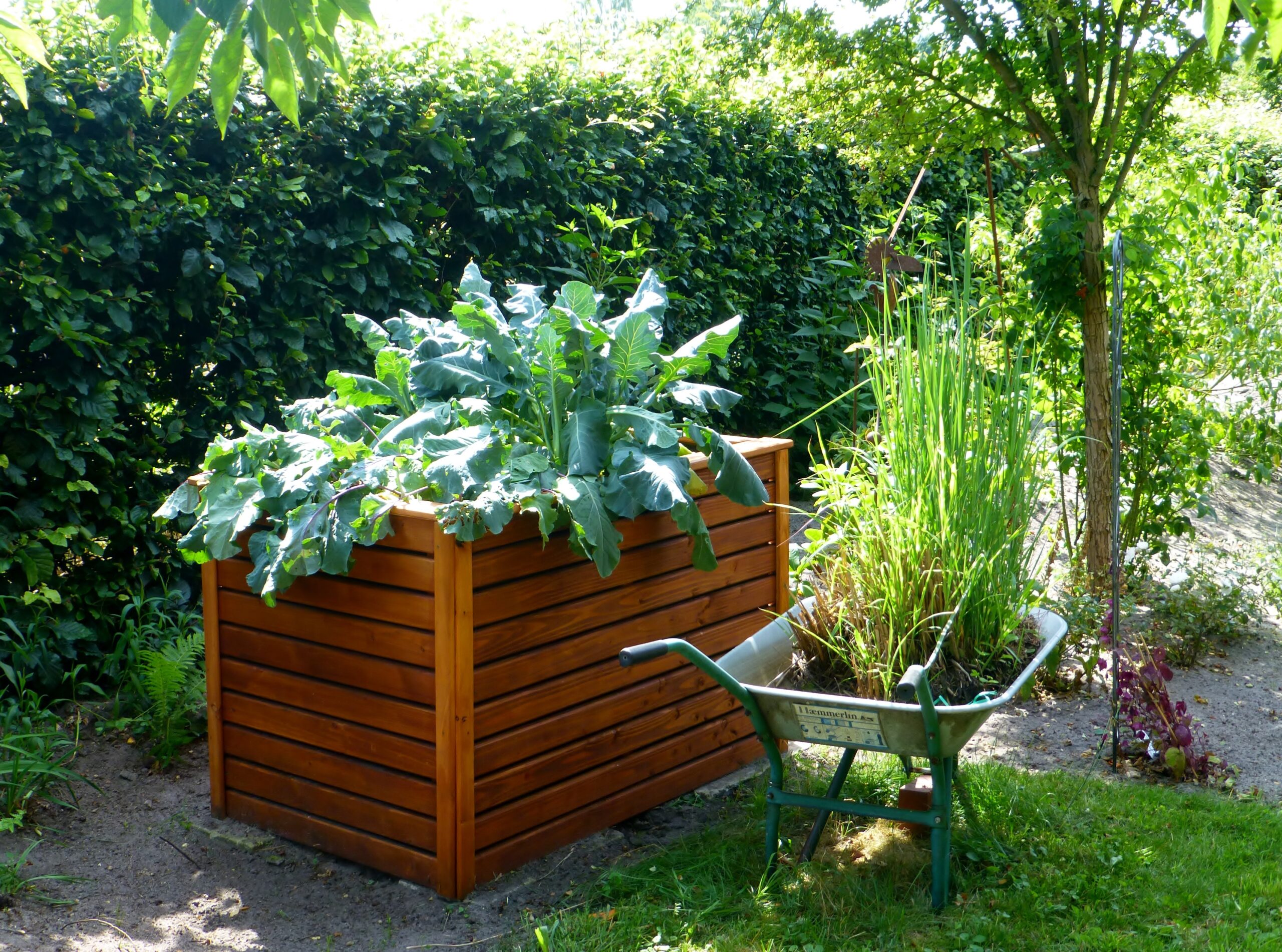
Raised garden beds have become a favorite among both beginner and experienced gardeners—and for good reason. They offer better control over soil quality, improved drainage, and a more organized gardening experience. But like any gardening method, they come with their own set of advantages and drawbacks. If you’re considering starting a raised bed garden, this guide will walk you through everything you need to know—from who they’re best for to where to place them and what to grow.
What Are Raised Garden Beds?
Raised garden beds are gardening plots built above ground level, typically enclosed with materials like wood, metal, or stone. They’re filled with nutrient-rich soil and can vary in size, height, and design depending on your space and needs.
Check This Blog Out>>Lawn and Garden Care
Pros of Raised Garden Beds
- Better soil control: You can customize soil composition for optimal plant growth, especially helpful if your native soil is poor or clay-heavy.
- Improved drainage: Raised beds prevent waterlogging, which reduces the risk of root rot.
- Fewer weeds: Starting with fresh soil minimizes weed seeds and makes maintenance easier.
- Easier access: Elevated beds reduce bending and strain, ideal for older adults or those with mobility issues.
- Extended growing season: Soil warms faster in spring, allowing earlier planting.
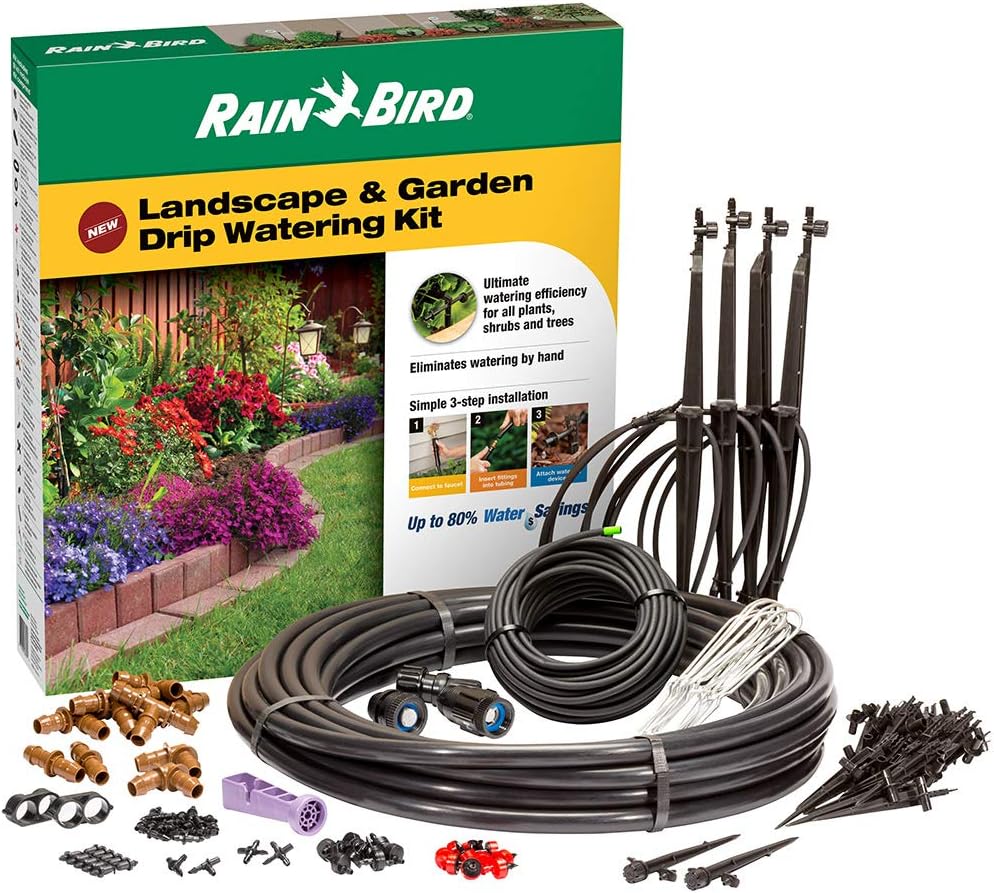
Check This Out>> Rain Bird LNDDRIPKIT Drip Irrigation Landscape/Garden Watering Kit with Drippers, Micro-Bubblers, Micro-Sprays
Cons of Raised Garden Beds
- Initial cost: Materials and soil can be expensive upfront.
- More frequent watering: Raised beds dry out faster than in-ground gardens.
- Limited space: You’re confined to the size of the bed unless you build more.
- Soil replacement over time: Nutrients deplete faster, requiring periodic refreshing.
Who Are Raised Garden Beds Best For?
Raised beds are perfect for:
- Beginners who want a controlled, manageable gardening environment
- Urban gardeners with limited or poor-quality soil
- Individuals with physical limitations who need easier access
- Gardeners looking for a clean, aesthetically pleasing layout
They’re especially ideal if you want a low-maintenance garden that still produces high yields.
Where to Put Raised Garden Beds
Location is key to success. Here’s what to consider:
- Sunlight: Most vegetables need at least 6–8 hours of direct sunlight daily. Choose a spot with full sun exposure.
- Drainage: Avoid low areas where water collects after rain.
- Accessibility: Place beds near your home or water source for convenience.
- Wind protection: Use fences or natural barriers to protect delicate plants.
- Level ground: Ensures even water distribution and prevents soil shifting.
A south-facing location is typically best for maximum sun exposure.
Things to Know Before You Start
- Soil matters most: Use a mix of topsoil, compost, and organic matter for best results.
- Bed depth: Aim for at least 12–18 inches deep for most vegetables.
- Material choice: Cedar and redwood are durable and rot-resistant; avoid treated wood that may leach chemicals.
- Watering routine: Raised beds need consistent watering—consider drip irrigation.
- Crop rotation: Helps prevent pests and maintains soil health over time.
Best Plants for Raised Garden Beds (With Key Tips)
Here are some top-performing plants for raised beds and what you need to know about each:
- Tomatoes: Thrive in deep, nutrient-rich soil; need staking or cages for support; require full sun and consistent watering.
- Lettuce: Fast-growing and perfect for shallow beds; prefers cooler temperatures and partial shade in hotter climates.
- Carrots: Ideal for loose, well-drained soil; avoid rocky soil to prevent misshapen roots; keep soil consistently moist.
- Peppers: Love warmth and full sun; benefit from well-drained soil and occasional fertilization.
- Herbs (basil, thyme, parsley): Low-maintenance and great for small spaces; require good drainage and regular harvesting to encourage growth.
- Spinach: Cool-season crop that grows quickly; prefers partial shade and moist soil.
- Zucchini: High-yield plant that needs space; thrives in rich soil and full sun.
- Strawberries: Perfect for raised beds due to good drainage; benefit from mulching and full sun exposure.
Check This Blog Out>>Garden Room Glow-Up
Final Thoughts
Raised garden beds offer a flexible, efficient, and visually appealing way to grow your own food or flowers. While they require some upfront investment and planning, the long-term benefits—like improved plant health and easier maintenance—make them well worth it.
Whether you’re growing fresh vegetables for your kitchen or creating a lush backyard retreat, raised beds can transform your gardening experience into something more productive and enjoyable.
Jamie L. Taylor
Soft Life Luxury