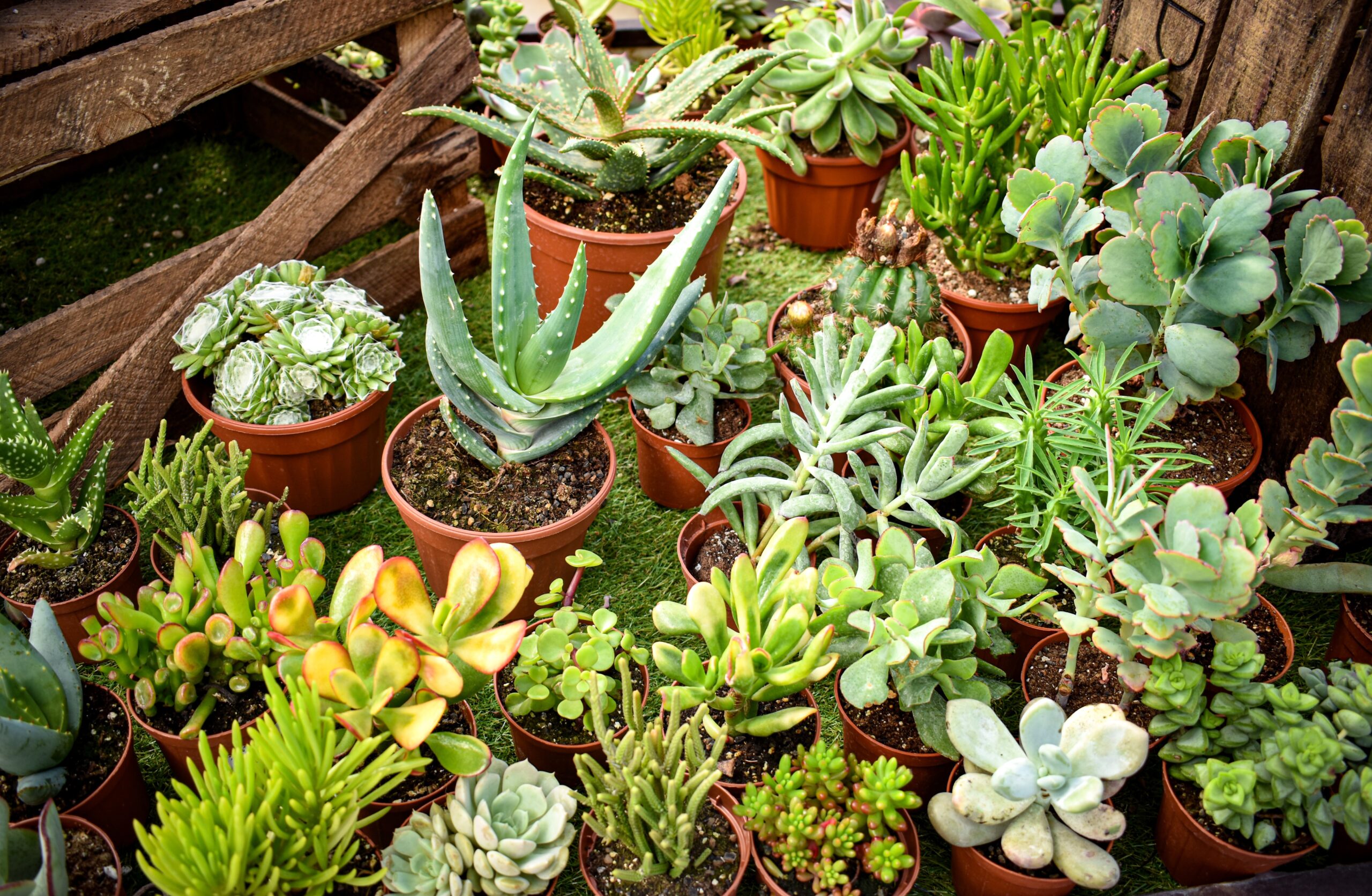
Creating a lush, calming home environment starts with choosing the right houseplants—and knowing how to care for them. Whether you’re a beginner or a seasoned plant lover, selecting plants that complement each other in both appearance and care needs can transform your space into a thriving indoor oasis. Below is a carefully curated list of the best houseplants, along with expert tips on placement, plant pairings, and essential care information.
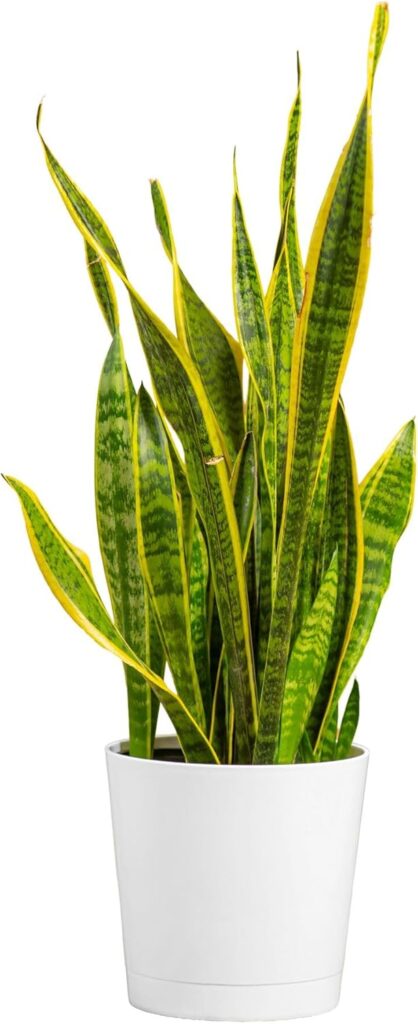
Snake Plant (Sansevieria)
The snake plant is one of the most beginner-friendly houseplants you can own. Known for its tall, upright leaves and striking green patterns, it thrives in low light and requires minimal watering. This makes it perfect for bedrooms, offices, and darker corners of your home.
Top things to know:
- Water sparingly—overwatering is the most common mistake.
- Tolerates low light but grows faster in indirect sunlight.
- Helps improve indoor air quality.
Best pairing: Combine snake plants with ZZ plants for a low-maintenance, drought-tolerant duo that works well in modern or minimalist spaces.
Check This Out>>Costa Farms Snake Plant, Mother-in-Law’s Tongue Live Plant in Decorative Pot, Large
Monstera Deliciosa (Swiss Cheese Plant)
Monstera is a favorite for its large, dramatic leaves with natural splits. It instantly adds a tropical vibe to any room and works well as a statement plant in living rooms.
Top things to know:
- Prefers bright, indirect light.
- Water when the top inch of soil is dry.
- Benefits from occasional misting in dry environments.
Best placement: Near a window with filtered light.
Best pairing: Pair with pothos or philodendron to create a layered, jungle-like aesthetic.
Pothos (Epipremnum Aureum)
Pothos is a fast-growing vine that is incredibly forgiving. Its trailing leaves make it ideal for shelves, hanging baskets, or bookcases.
Top things to know:
- Thrives in a range of lighting conditions.
- Can grow in water or soil.
- Easy to propagate, making it budget-friendly.
Best placement: Hanging near windows or draped over furniture.
Best pairing: Works beautifully with Monstera and spider plants for a cascading greenery effect.
Check This Blog Out>>Lawn and Garden Care
Fiddle Leaf Fig (Ficus Lyrata)
The fiddle leaf fig is a bold, stylish plant that has become a staple in home decor. Its large, glossy leaves make it a focal point in any room.
Top things to know:
- Needs bright, consistent light.
- Sensitive to sudden changes in environment.
- Requires regular watering but dislikes soggy soil.
Best placement: Living rooms with large windows.
Best pairing: Pair with smaller plants like rubber plants or peace lilies to balance its size.
Peace Lily (Spathiphyllum)
Peace lilies are known for their elegant white blooms and air-purifying qualities. They are perfect for adding a soft, calming touch to your home.
Top things to know:
- Prefers low to medium light.
- Droops when thirsty—making it easy to know when to water.
- Toxic to pets, so placement matters.
Best placement: Bedrooms or shaded corners.
Best pairing: Combine with ferns for a soft, serene aesthetic.
ZZ Plant (Zamioculcas Zamiifolia)
If you want a nearly indestructible plant, the ZZ plant is a top choice. Its waxy leaves reflect light, adding brightness to darker spaces.
Top things to know:
- Extremely drought-tolerant.
- Thrives in low light.
- Requires very little maintenance.
Best placement: Offices, hallways, or low-light rooms.
Best pairing: Matches well with snake plants for a sleek, modern look.
Spider Plant (Chlorophytum Comosum)
Spider plants are cheerful, easy to grow, and great for improving indoor air quality. Their arching leaves and baby offshoots add visual interest.
Top things to know:
- Prefers bright, indirect light.
- Produces “pups” that can be replanted.
- Non-toxic to pets.
Best placement: Hanging baskets or elevated shelves.
Best pairing: Pair with pothos for a dynamic, trailing display.
Rubber Plant (Ficus Elastica)
Rubber plants are known for their thick, glossy leaves and bold presence. They are ideal for adding structure and depth to your plant collection.
Top things to know:
- Prefers bright, indirect light.
- Water when soil is partially dry.
- Can grow quite tall indoors.
Best placement: Corners of living rooms or entryways.
Best pairing: Complements fiddle leaf figs and monstera for a layered, upscale look.
Check This Blog Out>>Garden Room Glow-Up
How to Choose the Right Plant Combinations
When grouping houseplants, consider these key factors:
- Light requirements: Group plants with similar lighting needs together.
- Watering habits: Avoid mixing drought-tolerant plants with moisture-loving ones.
- Visual balance: Combine tall plants with trailing or compact varieties for depth.
For example, a perfect beginner-friendly grouping could include a snake plant, pothos, and ZZ plant—all low-maintenance and adaptable.
Final Tips for Thriving Houseplants
- Always use pots with drainage holes to prevent root rot.
- Rotate plants occasionally for even growth.
- Wipe leaves to remove dust and improve photosynthesis.
- Start with a few plants and expand as you gain confidence.
Incorporating the right houseplants into your home not only enhances your decor but also promotes a sense of calm and well-being. With thoughtful placement and proper care, your indoor garden can flourish year-round.
Jamie L. Taylor
Soft Life Luxury