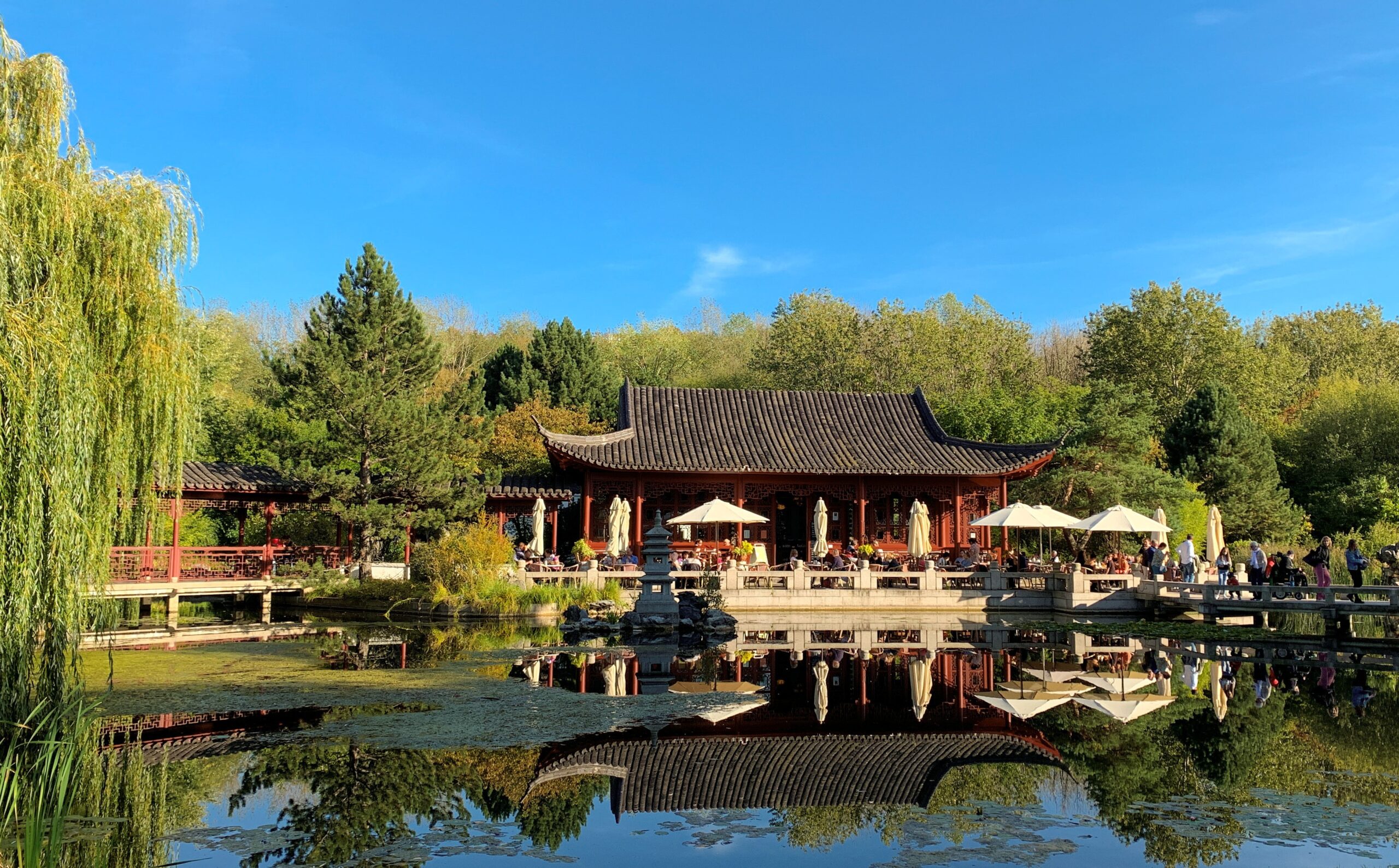
Chinese gardens are more than beautiful landscapes—they’re living works of philosophy. Built on principles of balance, symbolism, and storytelling, these gardens blend architecture, water, plants, and rock formations into immersive environments meant to inspire reflection and peace. If you’re planning to visit one or simply want to understand them better, this guide gives you a rich, SEO‑friendly overview packed with practical insights, must‑know tips, and plant highlights.
🌿 What Makes a Chinese Garden Unique
Chinese gardens are designed to feel like stepping into a painting. They emphasize:
- Harmony with nature — Every element is intentional, symbolic, and balanced.
- Borrowed scenery — Views from outside the garden are incorporated into the design.
- Symbolic plants — Trees and flowers represent virtues like resilience, purity, and longevity.
- Winding paths — Paths are never straight; they encourage slow exploration.
- Rock and water balance — Representing yin and yang, these elements create visual and energetic equilibrium.
Check This Blog Out>>Garden Room Glow-Up
🌸 Best Chinese Gardens to Visit (With Descriptions)
Each location below includes what makes it special, what to know before visiting, and why it stands out.
1. Humble Administrator’s Garden – Suzhou, China
Why it’s famous: Often considered the finest classical garden in China, dating back to the early 1500s. What to expect:
- Large ponds, zigzag bridges, bamboo groves
- Pavilions with poetic names
- A layout designed to evoke natural wetlands Important info:
- It gets crowded—visit early morning.
- A UNESCO World Heritage Site.
- Plan at least 2–3 hours to explore.
2. Lingering Garden – Suzhou, China
Why it’s special: Known for its masterful rockeries and architectural elegance. What to expect:
- One of the best examples of scholar‑garden design
- Intricate courtyards and long covered walkways
- Famous limestone Taihu rocks Important info:
- Ideal for photography lovers
- Best visited on weekdays for quieter paths
3. Yu Garden – Shanghai, China
Why it’s iconic: A Ming‑dynasty garden in the heart of bustling Shanghai. What to expect:
- Dragon‑topped walls
- Lotus ponds and ornate bridges
- A lively bazaar surrounding the garden Important info:
- Combine your visit with the nearby Old City God Temple
- Expect crowds—afternoons are busiest
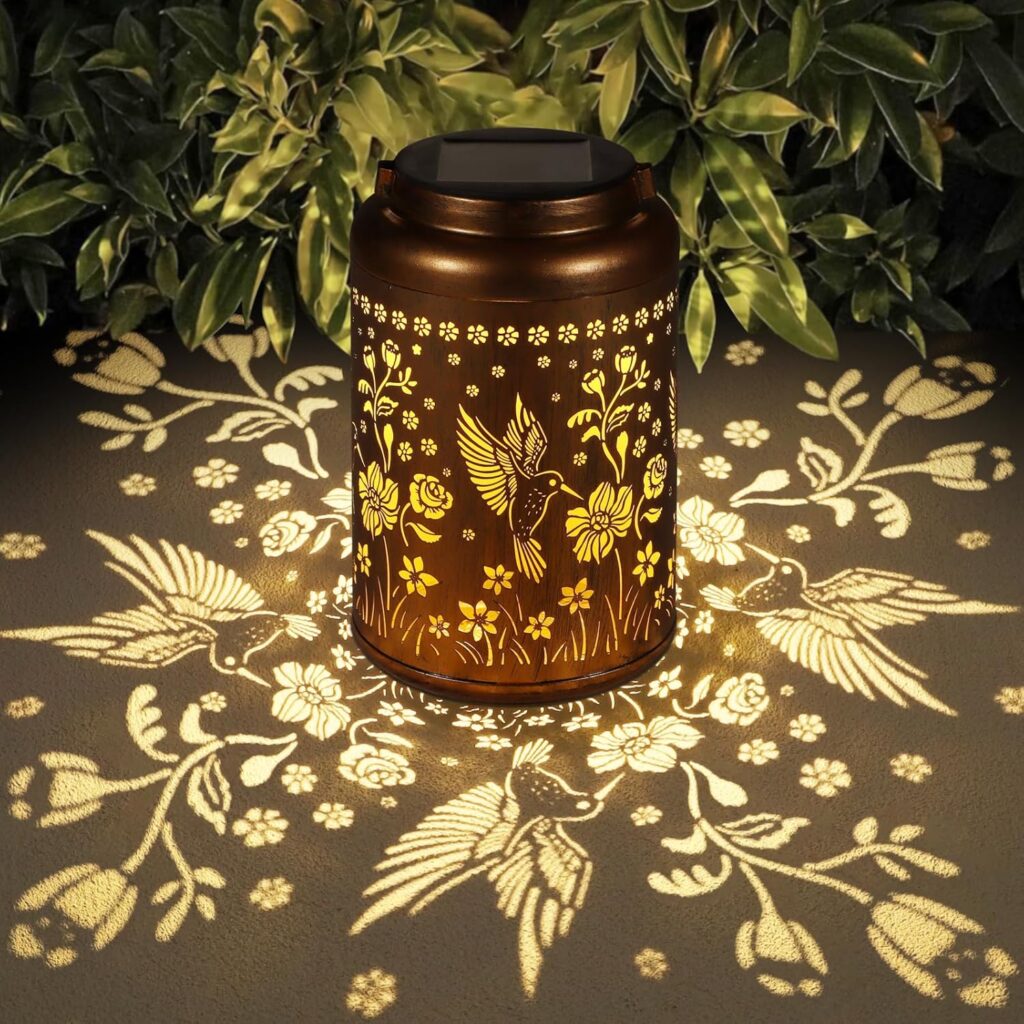
Check This Out >>Solar Lanterns Outdoor Waterproof Hummingbird Garden
4. Dr. Sun Yat‑Sen Classical Chinese Garden – Vancouver, Canada
Why it’s notable: The first authentic classical Chinese garden built outside China. What to expect:
- Materials imported from Suzhou
- Guided tours explaining symbolism
- Peaceful koi ponds Important info:
- Great for first‑timers learning Chinese garden philosophy
- Located in Vancouver’s Chinatown
5. Lan Su Chinese Garden – Portland, Oregon
Why it’s beloved: A collaboration between Portland and Suzhou, offering a serene escape in the city. What to expect:
- Teahouse with traditional Chinese teas
- Seasonal plant displays
- Beautiful moon gates and scholar’s studios Important info:
- Visit during Chinese New Year for lantern festivals
- Small but incredibly detailed
🌱 Essential Plants in Chinese Gardens (With Meaning)
Chinese gardens use plants not just for beauty but for symbolism. Here are the most iconic ones:
1. Bamboo
Symbolism: Resilience, integrity, flexibility Why it matters: Bamboo bends but doesn’t break—representing moral strength. Where you’ll see it: Along pathways, near pavilions, and framing water features.
2. Lotus
Symbolism: Purity rising from muddy waters Why it matters: A core symbol in Chinese philosophy and Buddhism. Where you’ll see it: Ponds, lakes, and central water gardens.
3. Pine Trees
Symbolism: Longevity, endurance Why it matters: Pines stay green year‑round, representing steadfastness. Where you’ll see it: Near rockeries and entrance gates.
4. Plum Blossoms
Symbolism: Hope, renewal, perseverance Why it matters: They bloom in winter, symbolizing courage. Where you’ll see it: Courtyards and scenic viewpoints.
5. Peonies
Symbolism: Wealth, honor, prosperity Why it matters: Known as the “king of flowers” in China. Where you’ll see it: Flower beds near main halls or pavilions.
🧭 Tips for Visiting Chinese Gardens
- Go early to avoid crowds and enjoy quiet reflection.
- Slow down—these gardens are meant to be savored.
- Look for symbolism in rocks, plants, and architecture.
- Visit in different seasons—each offers a new experience.
- Check for guided tours to deepen your understanding.
Check This Blog Out>>Lawn and Garden Care
Chinese gardens invite you to do more than just look—they invite you to feel, interpret, and connect. Whether you’re wandering through Suzhou’s historic scholar gardens, discovering classical design in North America, or simply adding symbolic plants like bamboo or lotus to your own outdoor space, you’re stepping into a tradition that blends art, philosophy, and nature. As you plan your next trip or garden project, let these spaces remind you to move slowly, notice the details, and embrace harmony in every season of life.
What emotion or theme—peace, resilience, renewal, or prosperity—do you most want your own garden or travels to reflect, and why?
Jamie L. Taylor
Soft Life Luxury